
Karkkidakam is referred as the Holy Ramayana Masam. In 2013 Karkidakam starts on 17th July and ends on 16th August. As the name specify, this holy month is destined for undertaking pious Vratham and recitation of Adhyathma Ramayanam Kilippattu: the epic life of Lord Sree Rama, which is the most virtuous and conversant contribution from Thunjathu Ramanujan Ezhuthachan, called as the Father of Malayalam Language.
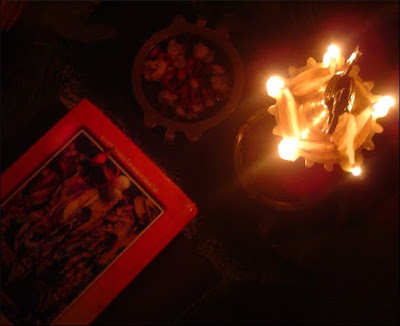
ഇന്നു കര്ക്കിടകം ഒന്ന്. കേരളത്തിൽ കർക്കിടകം രാമായണമാസമാണ്. ഇനി രാമായണ പാരായണത്തിന്റെ നാളുകള്. ഇനിയുള്ള നാളുകളിൽ ത്രിസന്ധ്യയ്ക്ക് ക്ഷേത്രങ്ങളുടെയും തറവാടുകളുടെയും പൂമുഖത്ത് രാമായണത്തിന്റെ ശീലുകൾ ഉയരും. കുളിച്ച് ശുദ്ധമായി ദീപം തെളിയിച്ച് രാമായണം തൊട്ട് വന്ദിച്ച് വായന തുടങ്ങുന്നത്. കൊല്ലവർഷത്തിലെ 12-ആമത്തെ മാസമാണ് കർക്കടകം.സൂര്യൻ കർക്കടകം രാശിയിലൂടെ സഞ്ചരിക്കുന്ന സമയമാണ് കർക്കടകമാസം. ജൂലൈ - ഓഗസ്റ്റ് മാസങ്ങൾക്ക് ഇടക്കായി ആണ് കർക്കടക മാസം വരിക.
Thunjathu Ramanujan Ezhuthachan was born in Malappuram district in Kerala about 450 years ago. Karkidakam month is often called "panja masam" (lean season). You can now download Malayalam Ramayana Text in PDF format for free by clicking here. The PDF embede version is below.
ഭാരതത്തിന്റെ സംഭാവനയായ രണ്ട് ഇതിഹാസങ്ങളിൽ ഒന്നാണ് രാമായണം. രാമന്റെ യാത്ര എന്നാണ് രാമായണത്തിനർത്ഥം. വാല്മീകി മഹർഷി രചിച്ച രാമായണം കാവ്യരൂപത്തിലുള്ള ആദ്യ കൃതിയാണ് എന്ന് വിശ്വസിക്കപ്പെടുന്നു. അതുകൊണ്ട് ഇത് ആദിമകാവ്യം എന്നും അറിയപ്പെടുന്നു.

On all days of the month the epic is read in traditional homes and other establishments like temples dedicated to Lord Vishnu in the state. The ferocious plunge of the rains in the month of Karkkidaka brings out many discomforts in the forms of ailments, scarcity, dearth, destruction etc. During this month the agrarian population of Kerala receives a retarded production in crops and other rural food products.

The tradition of reciting Ramayanam started from 16th century, when Ezhuthachan wrote Adhyatma Ramayana in the form of Kilippatuu ( narrated by parrot ) in pure and simple Malayalam language which easily accepted by common people of Kerala, to whom, the grammatically moulded Manipravalam style of literatures was not at all perceivable at that time. The Adhyatma Ramayanam Kilippatuu was uncomplicated and also simple to understand by the lay men. Through Ramayanam Kilippatuu, Ezhuthachan gave Malayalam Language an innovative measurement and trail, which is following till now.

The Karakidakam month also sees fasts and religious observances is considered appropriate for Ayurveda treatments. The new moon day is dedicated to dead ancestors special pujas and rituals to remember them is performed during the season. The month is seen fit for pilgrimage to the four famous temples dedicated to Lord Ram, called the 'Nalambala Darshanam' literally , visit to the four temples. Nalambalam pilgrimage is gaining more and more popularity today.
Nalambala Darsanam is an annual pilgrimage to four well-known temples in central Kerala during the Malayalam month of Karkkidakam (July 17 to August 16). Nalambala Darsanam involves offering prayers at the Triprayar Sree Rama Temple, Irinjalakuda Koodalmanikyam Temple, Moozhikkulam Lakshmana Temple, and Payammal Shathrughna Temple, which are dedicated to Lord Rama, Bharatha, Lakshmana and Shathrughna respectively, on a single day.
കര്ക്കിടകം രാശിക്കാരും പ്രായോഗിക പരിഹാരങ്ങളും രാശിചക്രത്തിലെ നാലാം രാശിയും സ്ത്രീരാശിയും ജലരാശിയുമായ കര്ക്കിടകത്തിന്റെ അധിപതിയായി സുന്ദരിയായ ചന്ദ്രനെയാണ് ആചാര്യമ്മാര് സങ്കല്പ്പിച്ചിട്ടുള്ളത്. കേരളത്തിൽ കനത്ത മഴ ലഭിക്കുന്ന മാസമാണ് കർക്കടകം. അപ്രതീക്ഷിതമായി മഴപെയ്യുന്നു എന്നതിനാൽ "കള്ളക്കർക്കടകം" എന്ന ചൊല്ലുതന്നെ നിലവിലുണ്ട്. കാർഷികമേഖലയെ സംബന്ധിച്ചിടത്തോളം വരുമാന മൊന്നുമില്ലാത്ത കാലമായതിനാൽ "പഞ്ഞമാസം" എന്നും വിളിക്കപ്പെടുന്നു. ചില കുടുംബങ്ങളിൽ പ്രായമായവർ നടത്തിവരുന്ന ഒരു മാസം നീണ്ടുനിൽക്കുന്ന രാമായണം വായന ഈ മാസത്തിലാണ് നടത്താറുള്ളത്. അതിനാൽ കർക്കടകത്തിനെ രാമായണ മാസം എന്നും വിളിക്കുന്നു.
Karkidakam marks the begining of Dakshinayanam, southern movement of the sun and the change in sun's path has significant impact on human beings also. During Dakshinayanam period human body is more prone to material or negative thought waves. Due to inclement weather, poverty and diseases are the highlights of this month. The effect of which is reflected in mankind and in all living beings. To overcome the bad effect of Apanan, Ramayan is recited so that spiritual or positive thought waves override material or negative thought waves. An unrivaled spiritual solace can be attained through the habitual and devoted reading of Ramayana during the 31 / 32 days of Karkkidakam.
Ayurveda Treatment and Karkkidakam Kanji


The season of monsoon is reflected with much of diseases and sufferings. The body needs to be rejuvenated at this time. Karkkidakam Kanji, a porridge made out of Ayurvedic medicines is a best food which is consumed by the Keralities during the month of Karkkidakam. This is considered as a good medicinal food to keep good health in the time of Karkkidakam. Due to the stopped agricultural jobs, the farmers who will be remaining in their homes will make this time for invigorating their body through such Ayurvedic practices.

Karkkidaka Kanji is a traditional Ayurvedic blend which is used as a medicine for body purification since many centuries. The ingredients of Karkkidaka Kanji are boiled Navara Ari (Rice), Jeerakam, Thiruthalli, Uzhinnigi, Bala, Attibala, Chathurjatham, Jathikka, Gathipathari,Danakam, Kalasam, Assalli, Satkuppa, Manjal, Kakkankaya, etc.The ingredients are boiled using coconut milk or cow milk along with coconut jagarry and pinch of salt .The Karkkidaka Kanji can be consumed during early mornings or in dusk timings.
ഓരോ ഋതുക്കളിലും പ്രത്യേകം പ്രത്യേകം ചര്യകളും ആയുര്വേദം കല്പിച്ചിരിക്കുന്നു. ഉഷ്ണത്തില് നിന്നും പെട്ടെന്ന് തണുപ്പിലേക്കുള്ള മാറ്റമാണ് കര്ക്കിടകത്തില് സംഭവിയ്ക്കുന്നത്. ഇത് ശരീരത്തെ ബലഹീനമാക്കും. ശാരീരിക ദോഷങ്ങളെ കോപിപ്പിക്കുകയും അതുമൂലം ആരോഗ്യത്തെ നശിപ്പിക്കുന്നതുമായ മറ്റൊരു കാലം ഇല്ല എന്നുതന്നെ പറയാം. കർക്കിടക മാസത്തിൽ ആരോഗ്യപരിപാലനത്തിനായി കർക്കിടകക്കഞ്ഞി കുടിക്കുന്നത് ഇന്ന് ഒരു വലിയ വിപണി തന്നെ ആയിട്ടുണ്ട്. മുക്കുറ്റി, പൂവാം കുറുന്തില, കറുക, മുതലായ ആയുർവ്വേദ ചെടികൾ കർക്കിടകക്കഞ്ഞി തയ്യാറാക്കുവാൻ ഉപയോഗിക്കുന്നു. പല ആയുർവ്വേദകേന്ദ്രങ്ങളും കർക്കിടകത്തിൽ പ്രത്യേക സുഖചികൽസയും ഇന്ന് ഒരുക്കുന്നുണ്ട്.
Karkkidaka Vavu Pithru Tharppanam

Amavasi or new moon day in Karkkidakam is called
Karkkidaka Vavu and is famous for Pithru Tharppana or Vavubali.
Vaavubali is a significant rite, which is performed, at the places of
water bodies (rivers, lakes, sea) for the sake of the souls of ancestors
and intimates. Bali-tharpanam' will be held with religious fervour at
various temple ghats and other ‘theertha ghats' in Kerala. Usually Lakhs
of people including women and children will offer ‘bali' at specially
arranged ‘balippura' on the banks of the holy rivers, sea and ponds.
Hindus believe that the ritual performed on the new moon day in the
month of Karkidakom will propitiate the spirits of their forefathers and
bring good fortune in the year ahead. Purana's prescribe that
pithrubali(offerings for ancestors) is the most noble deed one should do
in this life.

It is beleived that human body maintains the
characteristics of 40 previous generations and hence it is expected that
one pays homage to as many as well as the Gurus and maha Rushi's who
are guiding us. In reality we assume that all beyond three generations
have joined lord and hence generally limit offerings to three previous
generation and then the guiding forces. According to Astrology, Sun is
the "Pitru Karaka". Karkkidaka is the month when Sun is in its own
constitution. Both Sun and Moon stays on the same house of the
astrological chart on a new moon day indicating the presence of both
paternal and maternal lineage. There are references to lord Rama doing
Pitrubali on this day during his journey through the forest in Ramayana.

ഭാരതീയ വിശ്വാസമനുസരിച്ച് വാവുബലി അഥവാ പിതൃതര്പ്പ്ണത്തിന് ആത്മീയതയുടെ മഹത്തായ ഒരു തലമുണ്ട്. ദക്ഷിണായനത്തിന്റെ തുടക്കമായ കര്ക്കി്ടക ത്തിലാണ്വാവുബലി. ദക്ഷിണായനംപിതൃപ്രാധാന്യമുള്ളതാണെന്നാണ് വിശ്വാസം. ദക്ഷിണായനത്തില് ജീവന് വെടിയുന്നവര് പിതൃലോകം പൂകുന്നു. പിതൃലോകമെന്നാല് ഭൂമിക്ക് മുകളിലുള്ള ഭുവര് ലോകമാണ്.അതായത്, പതിനാല് ലോകങ്ങളില് ഭൂമിയുടെ സ്ഥാനം മധ്യത്തിലും അതിനു മുകളില് ഭുവര് ലോകവും അതിനും മുകളില് സ്വര്ഗ്ഗ ലോകവും ആണ് എന്നാണ് വിശ്വാസം. ഭൂമി, ജലം, വായു, ആകാശം, അഗ്നി എന്നിങ്ങനെയുള്ള പഞ്ച ഭൂതങ്ങളില് ഭൂമിക്ക് മുകളില് ജലത്തിന്റെന സാന്നിധ്യമാണ്. അതിനാല്, ഭുവര് ലോക വാസികള്ക്ക്എ ജലതര്പ്പെണം നടത്തേണ്ടതുണ്ട്. അവര്ക്ക് ജലത്തിലൂടെ മാത്രമേ ഭക്ഷണം കഴിക്കാനാവൂ. പിതൃക്കള്ക്ക് ഭൂമിയിലെ ഒരു മാസം ഒരു ദിവസമാണ്. അവര്ക്ക് പന്ത്രണ്ട് ദിവസത്തി ലൊരിക്കല് ഭക്ഷണമെത്തിച്ചു കൊടുക്കേണ്ടത് ഭൂമിയിലെ ബന്ധുക്കളുടെ കടമയും. കര്ക്കിുട മാസത്തിലെ കറുത്ത പക്ഷത്തിന് പിതൃക്കള്ക്ക്ഷ ആഹാരമെത്തിക്കുന്ന ആചാരമാണ് വാവുബലി.

കാശി പോലെയുള്ള പുണ്യ തീര്ത്ഥ ങ്ങളില് ബലി തര്പ്പവണം ചെയ്താല് അത്മാക്കള്ക്ക്െ പിതൃലോകത്തിനും മേലെയുള്ള ലോകങ്ങളില് പ്രവേശനം ലഭിക്കുമെന്നും വിശ്വാസമുണ്ട്. ബ്രഹ്മചാരിത്വം കാത്ത് സൂക്ഷിക്കുന്ന ഒരാള് മരിച്ചാല് ബ്രഹ്മ ലോകം പൂകുമെന്നാണ് വിശ്വാസം. ഇത്തരത്തിലുള്ളവരുടെ ഏഴു തലമുറ മുമ്പും പിമ്പുമുള്ളവര് പോലും പരേതന്റെവ സദ് ഗുണത്താല് ബ്രഹ്മലോക പ്രാപ്തി നേടും.അസ്തമയത്തിന് ആറു നാഴിക പകലെങ്കിലും തിഥിയുള്ള ദിവസമാണ് ശ്രാദ്ധമൂട്ടേണ്ടത്. ശ്രാദ്ധമൂട്ടുന്നതിന് തലേദിവസം ഒരു നേരം മാത്രം ഭക്ഷണം കഴിക്കുക. അതിന് കഴിയാത്തവര് ഒരു നേരം അരിഭക്ഷണവും ബാക്കി രണ്ട് നേരം ഗോതമ്പ് ആഹാരം കഴിക്കുക. രാവിലെയെഴുന്നേറ്റ് മുങ്ങിക്കുളിച്ച് ഈറനോട് ആചാര്യന്റെ മുന്നില് ഒരു മുട്ട് നിലത്ത് മുട്ടിച്ചിരുന്ന്, കൈയ്യില് ദര്ഭകൊണ്ട് പവിത്രമണിഞ്ഞ്, മുന്നില് എള്ളും പൂവും ചന്ദനവും വെയ്ക്കണം.വിഷ്ണുവിനെയും അഷ്ടദിക് പാലകരെയും ബ്രഹ്മാവിനെയും വന്ദിച്ച് വേണം ശ്രാദ്ധം ചെയ്യാന്. വിഷ്ണുസാന്നിദ്ധ്യമില്ലാതെ ചെയ്യുന്നശ്രാദ്ധം പിതൃക്കളില് നിന്ന് അസുരന്മാ്ര് അപഹരിക്കുന്നു വെന്നാണ് സങ്കല്പം. മണ്മമറഞ്ഞ പിതൃക്കളുടെ രുപം മനസ്സില് സങ്കല്പിച്ച്, പിണ്ഡമുരുട്ടി, എള്ള്, പൂവ്, ചന്ദനം, ഒരു നൂല് കഷ്ണം (വസ്ത്രസങ്കല്പം) വച്ച് ""ഈ അന്നം സ്വീകരിച്ച്, തൃപ്തിയായി, വിഷ്ണുപദം പൂകുക'' എന്ന പ്രാര്ത്ഥനനയോടെ വേണം ശ്രാദ്ധം ചെയ്യാന്. ആചാര്യനില്ലാതെ ബലിയിടരുത്.ശ്രാദ്ധം ചെയ്തു കഴിഞ്ഞാല് നാക്കിലയിലെ തിലോദകം ഒഴുകുന്ന വെള്ളത്തില്സചമര്പ്പി ച്ച്,വീണ്ടും കുളിച്ച് ചെന്ന് ആചാര്യന് ദക്ഷിണ നല്ക്ണം. ഉത്തരകേരളത്തില് പിതൃക്കള് വീട് സന്ദര്ശിതക്കുന്ന ദിനമാണ് കര്ക്കി ടകവാവെന്ന് വിശ്വസിക്കുന്നു.അവര് "വാവട'യെന്ന പലഹാരം പിതൃക്കള്ക്ക് സമര്പ്പി ക്കുന്നു. ചില സമൂഹങ്ങളില് ഇളനീരും മത്സ്യമാംസാദികളും മദ്യവും പിതൃക്കള്ക്കാുയി സൂക്ഷിച്ച് വയ്ക്കുന്നു. ശ്രാദ്ധാന്നം ബലിക്കാക്കകളെടുത്താല് പിതൃക്കള്ക്ക് തൃപ്തിയായിന്നെ ് വിശ്വസിക്കുന്നു.


 Posts
Posts


